Test Reporting
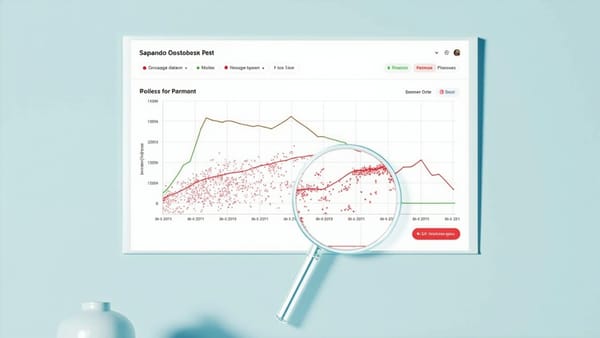
Test Trend Analysis: How to Spot Flaky Tests and Coverage Gaps from Reports
Running tests is table stakes. Understanding what the results mean over time — that's where teams actually improve their quality practice.

Test Reporting
Running tests is table stakes. Understanding what the results mean over time — that's where teams actually improve their quality practice.

Testing
Most QA teams track test counts and pass rates because they're easy to measure — not because they correlate with quality outcomes. Engineering leaders see through vanity metrics quickly, and QA functions that can't connect their work to business outcomes lose budget and influence. This guide covers
Testing
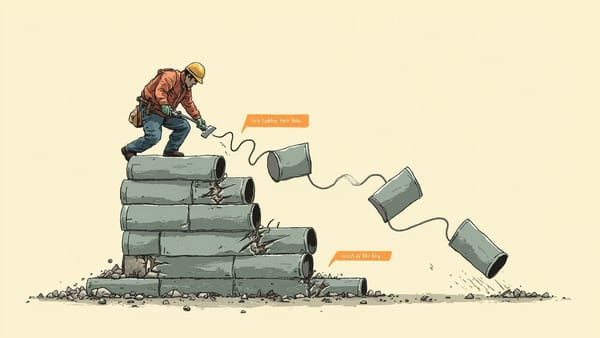
Test debt is the accumulated cost of deferred test maintenance — slow suites, flaky tests, duplicate coverage, and dead tests that no longer verify anything meaningful. Unlike production code debt, test debt is often invisible until it causes a crisis. This guide provides a systematic framework for identifying, measuring, and eliminating
Testing
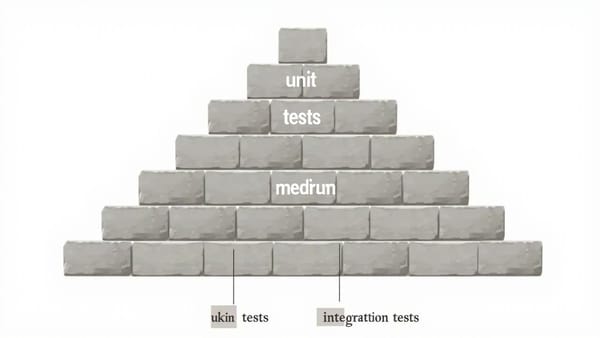
The test pyramid is the most misunderstood model in software testing. Most teams know the shape but not the reasoning behind it — and that leads to costly anti-patterns. This guide explains the original model, why ratios matter, how to adapt them for different architectures, and when it's

Testing
A QA Center of Excellence is not a team — it's a function that elevates quality across the entire engineering organization. This guide walks QA leaders and engineering managers through the models, founding decisions, governance structures, and 90-day launch plan required to build a CoE that actually improves
Testing
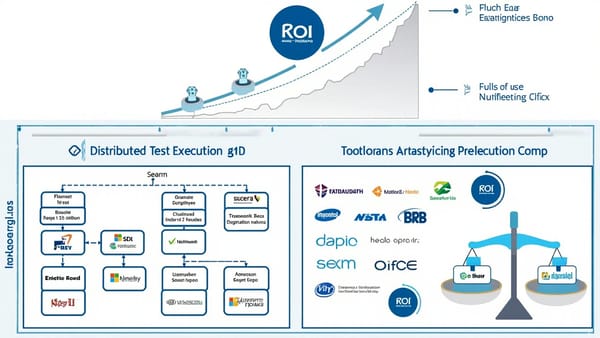
Scaling test automation beyond 50 engineers requires more than adding tools — it demands deliberate decisions about ROI measurement, toolchain architecture, distributed execution, and ownership models. This guide walks senior QA leaders through the frameworks that separate high-performing automation programs from expensive, slow, maintenance-heavy ones. Key Takeaways ROI must