IoT
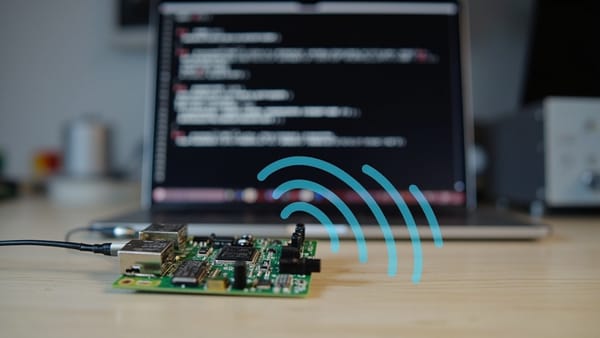
IoT Device Testing Guide: Firmware, Protocols, and MQTT Testing
IoT devices fail in ways that software-only systems never do. Firmware bugs can brick hardware. Protocol mismatches cause silent data loss.

IoT
IoT devices fail in ways that software-only systems never do. Firmware bugs can brick hardware. Protocol mismatches cause silent data loss.

5G
5G promises sub-millisecond latency for URLLC (Ultra-Reliable Low Latency Communications) use cases — remote surgery, autonomous vehicles, industrial automation. Testing applications that depend on these guarantees requires different tools and strategies than traditional web performance testing. This guide covers how to validate low-latency requirements, simulate 5G network conditions,

Embedded Systems
Embedded systems testing has a reputation for being painful — manual probe sessions, proprietary test frameworks, and tests that only run on physical hardware. Python and pytest change the equation. You can write expressive, maintainable tests that run against real hardware or simulators, integrate with CI, and give embedded teams the

IoT Testing
Edge computing moves computation closer to where data is generated — onto gateways, on-premise servers, and microcontrollers at the network edge.

IoT
AWS IoT Core and Azure IoT Hub are the two dominant managed IoT platforms.

Testing
Sauce Labs provides cloud-based mobile testing on real iOS and Android devices with a focus on Appium integration and enterprise-grade reliability.
Testing
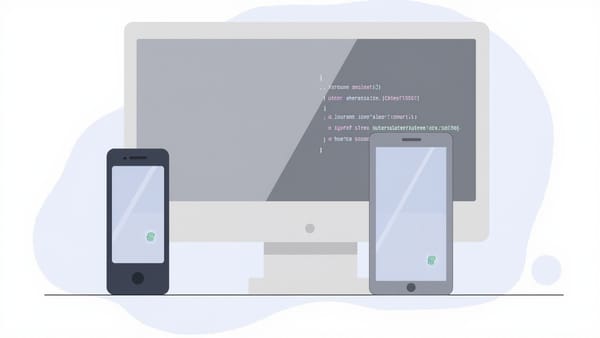
"Should we test on real devices or emulators?" is a false choice. The right answer is both — but for different purposes and at different stages of your testing pipeline. Understanding what each approach catches and misses helps you build a mobile testing strategy that's thorough without

Testing
BrowserStack App Automate lets you run Appium and other mobile test frameworks against real iOS and Android devices in the cloud.

Testing
Firebase Test Lab runs your Android tests on Google's infrastructure using real devices and emulators.

Testing
Kobiton positions itself as an AI-powered alternative to traditional mobile device clouds.

Testing
AWS Device Farm runs your mobile tests on real Android and iOS devices managed by Amazon.

Testing
SOC 2 is a voluntary standard, but if you sell software to enterprises, you'll be asked for your SOC 2 report.