
Testing
Microservices Contract Testing: Preventing Integration Failures
When teams develop microservices independently, the biggest risk is one team changing an API that another team depends on.

Testing
When teams develop microservices independently, the biggest risk is one team changing an API that another team depends on.

Testing
Distributed systems fail in ways you don't expect. Chaos engineering is the practice of intentionally introducing failures into your system to discover weaknesses before they cause production incidents. For microservices, it's not optional — it's how you gain confidence that your system actually works under
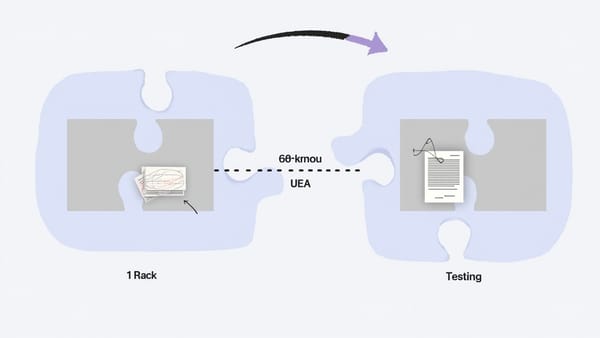
Shift-Left Testing
Microservices solve organizational problems — independent deployments, team autonomy, technology flexibility.

Testing
Testing rate limiting is deceptively hard. The implementation often works correctly in isolation but fails under concurrent load, leaks when clients use different keys that should share a limit, or applies the wrong limit tier to authenticated users. Rate limiting testing requires concurrent request generation, careful timing, and validation of
Testing
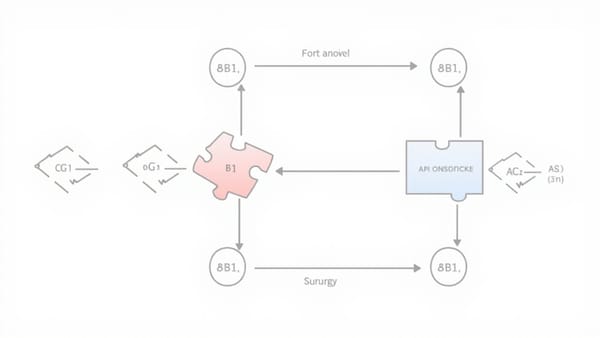
API backward compatibility testing is one of the most critical — and most overlooked — disciplines in microservices engineering.

Testing
Testing data isolation in multi-tenant microservices is a security-critical requirement that most teams under-test.
Testing
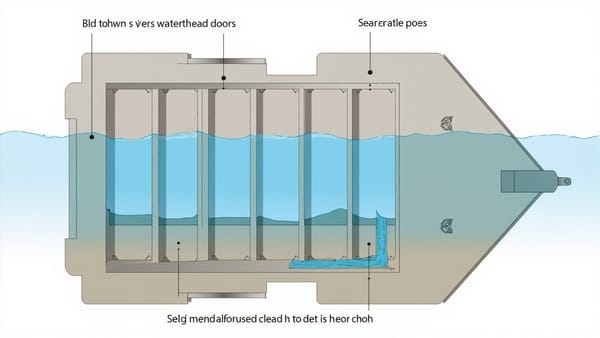
Testing bulkhead patterns and circuit breakers is something most teams skip until an outage forces the conversation.

Testing
Testing observability in microservices is the discipline that nobody implements until an incident exposes the gap.

Testing
Service meshes like Istio have become foundational infrastructure for microservices deployments, handling everything from mTLS encryption to sophisticated traffic management. But here's the problem most teams discover too late: Istio configuration is code, and untested code breaks in production. A misconfigured VirtualService can silently route 100% of traffic

Testing
Integration testing for microservices is where good intentions go to die.

Testing
Testing asynchronous, event-driven systems is genuinely hard. The problems stack up fast: you can't assert response.status_code == 200 when the operation happens asynchronously; your test needs to know when to stop waiting; race conditions create flaky tests that pass locally and fail in CI; and the
Testing
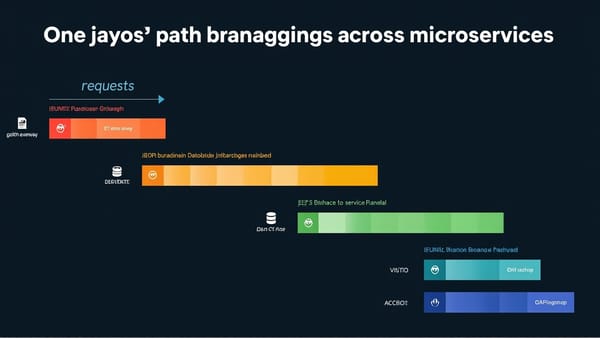
When a microservices integration test fails with a vague 500 error, you have a problem: the error came from somewhere in a chain of four services, passed through an API gateway, and touched a database and a message queue. The stack trace in your test output tells you where the