
Testing
Testing Data Isolation in Multi-Tenant Microservices
Testing data isolation in multi-tenant microservices is a security-critical requirement that most teams under-test.

Testing
Testing data isolation in multi-tenant microservices is a security-critical requirement that most teams under-test.
Testing
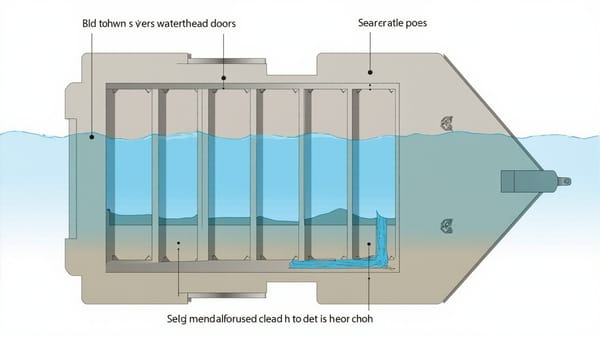
Testing bulkhead patterns and circuit breakers is something most teams skip until an outage forces the conversation.

Testing
Testing observability in microservices is the discipline that nobody implements until an incident exposes the gap.

Testing
Service meshes like Istio have become foundational infrastructure for microservices deployments, handling everything from mTLS encryption to sophisticated traffic management. But here's the problem most teams discover too late: Istio configuration is code, and untested code breaks in production. A misconfigured VirtualService can silently route 100% of traffic

Testing
Integration testing for microservices is where good intentions go to die.

Testing
Testing asynchronous, event-driven systems is genuinely hard. The problems stack up fast: you can't assert response.status_code == 200 when the operation happens asynchronously; your test needs to know when to stop waiting; race conditions create flaky tests that pass locally and fail in CI; and the
Testing
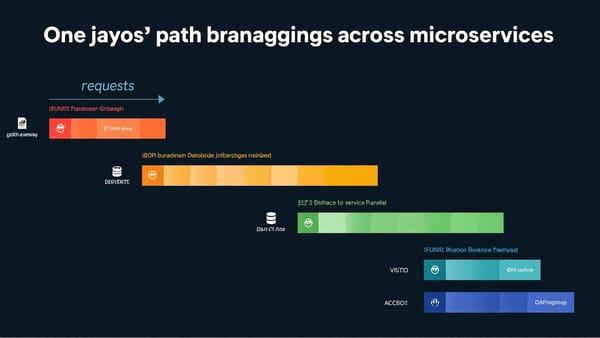
When a microservices integration test fails with a vague 500 error, you have a problem: the error came from somewhere in a chain of four services, passed through an API gateway, and touched a database and a message queue. The stack trace in your test output tells you where the
Testing
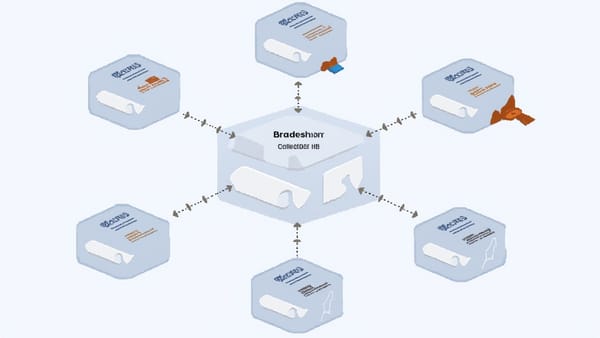
Integration testing microservices is notoriously painful. You need real instances of every dependent service, a shared environment where everyone's changes play nicely together, and the patience to debug failures caused by a schema change three teams made two weeks ago. Contract testing — specifically consumer-driven contract testing — cuts

Saga Pattern
The saga pattern solves distributed transaction consistency without two-phase commit.

Java
Quarkus has become one of the most compelling Java frameworks for building cloud-native microservices.

Java
Testing asynchronous code is notoriously tricky. When your application is built on Vert.x — a reactive toolkit where everything happens on an event loop — standard synchronous JUnit assertions don't work. You need to tell JUnit to wait for asynchronous operations to complete before asserting results. The Vert.x

Java
Micronaut's ahead-of-time (AOT) compilation model eliminates reflection-based dependency injection, producing applications that start in milliseconds.