Unity
Unity CI/CD Testing Pipeline: GitHub Actions, GameCI, and Cloud Build
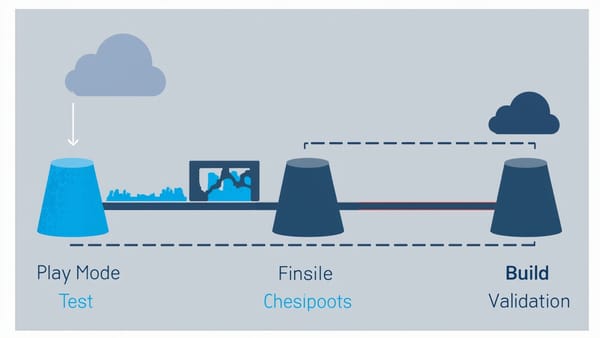
Running Unity tests locally is fine. Running them automatically on every pull request is how you actually catch regressions before they ship.

CI/CD pipeline guides — integrate automated testing into your deployment pipeline and ship with confidence.
Unity
Running Unity tests locally is fine. Running them automatically on every pull request is how you actually catch regressions before they ship.

Chaos Engineering
Most teams run chaos experiments manually — a team gathers, runs an experiment, watches dashboards, and documents findings. This works, but it doesn't scale.

Shift-Left Testing
Shift-left testing changes where quality lives in your delivery pipeline.

Testing
Webhook failures in CI are some of the most frustrating bugs to debug. The test passes locally but fails in CI. The webhook arrives but nothing happens.

CI/CD
The Dagger Python SDK lets you write CI pipelines as ordinary Python functions. No YAML, no DSL — just Python.

CI/CD
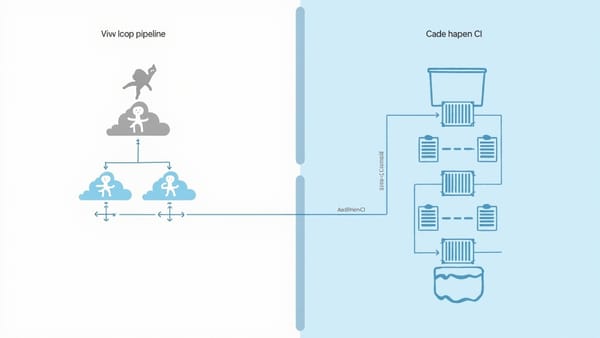
Dagger.io flips the CI/CD model on its head: instead of YAML pipelines that are impossible to test locally, you write your pipelines in Python, TypeScript, or Go — and run them anywhere. The same pipeline runs on your laptop, in GitHub Actions, and in GitLab CI without modification. This
CI/CD
Both Dagger and GitHub Actions run your tests in CI. The difference is how you define and debug those pipelines.

CI/CD
The Dagger TypeScript SDK lets you write CI pipelines in TypeScript — the same language as your application.

CI/CD
Integration tests that hit real databases and message queues are harder to run than unit tests.

AI Testing
Deploying an LLM is not a one-time event. Prompts change. Models get updated. Retrieval indexes get refreshed.

Testing
A deployment pipeline without smoke tests is like a fire sprinkler system with no water pressure test. Everything looks fine until the moment you need it.
AI Testing
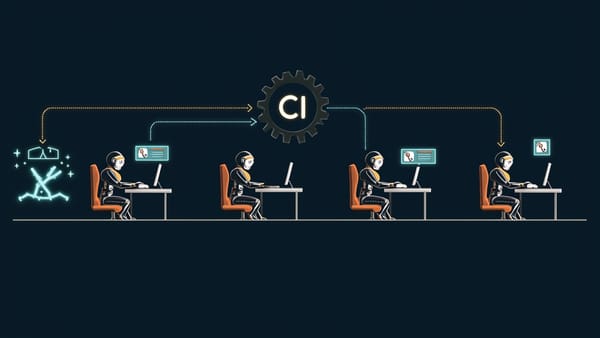
Agentic testing means AI agents that autonomously handle steps in the testing cycle — creating tests, running them, analyzing failures, and fixing issues — without waiting for explicit human instruction at each step. This guide covers the patterns, tools, and implementation approach for teams adopting agentic testing workflows in 2026. Key Takeaways