
Testing
Cucumber Best Practices: Making BDD Work in Real Projects
Cucumber is one of the most widely used BDD frameworks, and it has one of the highest rates of teams abandoning it after six months.

Behavior-driven development guides — write tests in plain English with Cucumber, Gherkin, and Robot Framework.
Testing
Cucumber is one of the most widely used BDD frameworks, and it has one of the highest rates of teams abandoning it after six months.
Testing
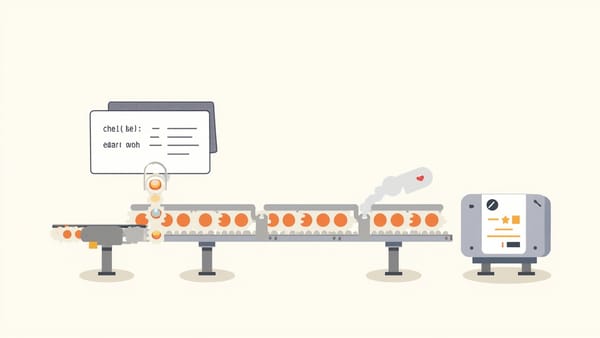
Getting BDD tests to pass on a developer's laptop is one problem. Getting them to run reliably in a CI/CD pipeline — in parallel, with good reporting, fast feedback, and minimal flakiness — is a different problem entirely. Many teams set up Cucumber locally but struggle to make it

Test Reporting
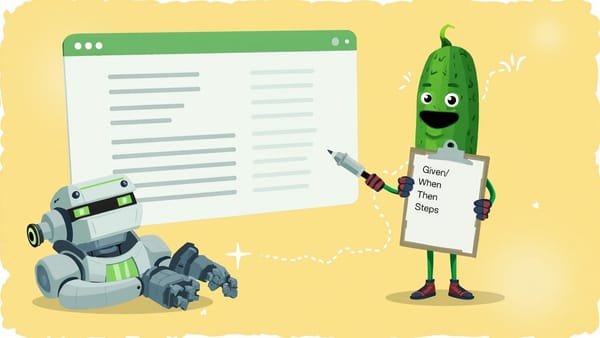
Serenity BDD bridges the gap between automated tests and documentation.
Testing
Cucumber and Selenium are a classic combination: Cucumber provides the human-readable scenario layer, Selenium drives real browsers underneath.
Testing
SpecFlow is the .NET implementation of the Cucumber/Gherkin BDD framework.
Testing
REST Assured's API was designed around the Given-When-Then structure from Behavior-Driven Development.

Testing
Gherkin is the plain-language format that makes BDD tests readable by non-technical stakeholders.

Testing
Cucumber is one of the most widely adopted BDD frameworks, and Java remains its most popular language host.
Testing
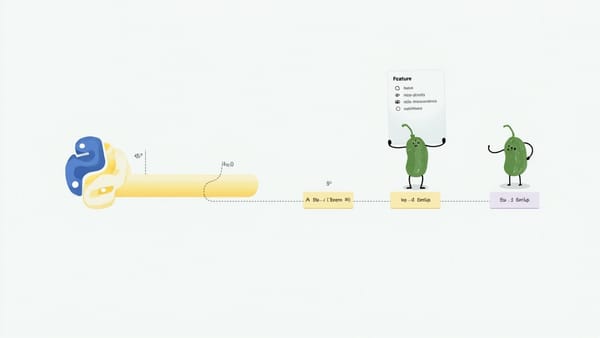
Behave is Python's most established BDD framework. It reads Gherkin .feature files, maps each step to a Python function, and executes them against your application. If you work in Python and want to practise behaviour-driven development, Behave is the natural starting point. This tutorial takes you from

Testing
Most teams that adopt BDD get the tools right — Cucumber, SpecFlow, Behave — and get the practices wrong.
Testing Strategy
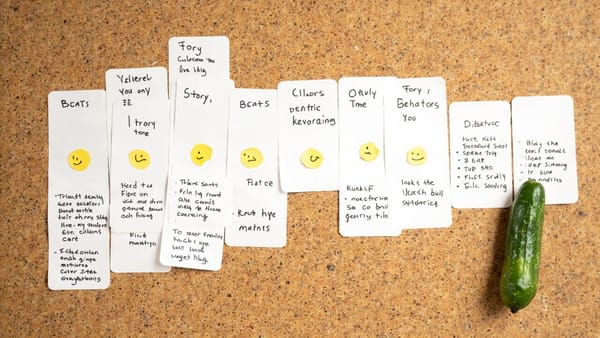
Your developers say the feature is done. Your product manager says it's wrong. The spec was clear — they just interpreted it differently. BDD exists to eliminate that conversation by forcing everyone to agree on what "done" means before a line of code is written. Key Takeaways