
Testing
Snapshot Testing vs Visual Regression Testing: Which One Do You Actually Need?
"Snapshot testing" gets used to mean two different things, and conflating them leads to wrong tool choices.

AI-powered testing platform. Write tests in plain English, run them everywhere.

Testing
"Snapshot testing" gets used to mean two different things, and conflating them leads to wrong tool choices.

Testing
React component testing has evolved considerably. Enzyme snapshots gave way to React Testing Library, and the community's view on snapshot testing shifted along with it. The current reality: snapshots aren't obsolete, but their role is more specific than it once was. Understanding what they're

Testing
There's a pattern that plays out on almost every team that adopts snapshot testing.

Testing
Snapshot testing is one of those features that sounds like a silver bullet — write one line of code, and Jest will catch any unexpected change in your output.

Testing
Bugs found in production cost 10 times more to fix than bugs found during development.

Testing
The most realistic test environment is production. Staging environments, no matter how carefully maintained, diverge from production over time.
Testing
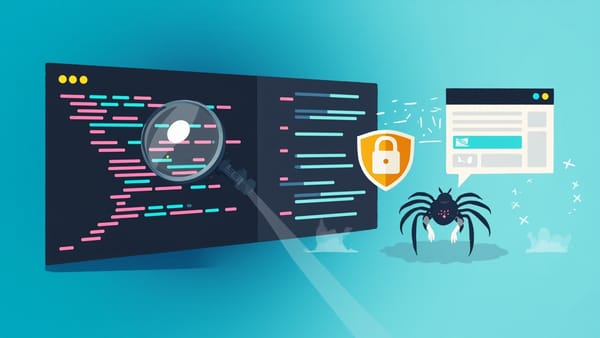
Security vulnerabilities have a compounding cost curve that makes testing late particularly painful.
Test Reliability
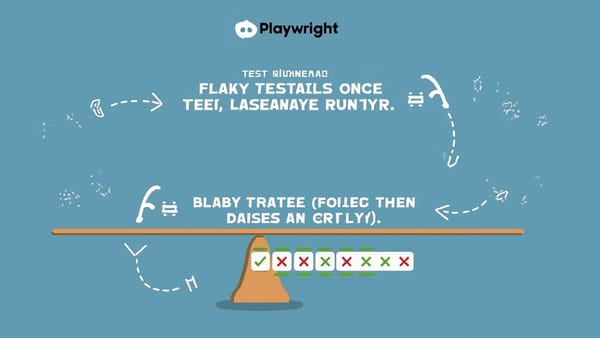
Flaky tests cost CI time and erode confidence. Playwright gives you several tools to manage flakiness: automatic retries that reduce false negatives, --repeat-each for detecting flakiness before it hits CI, and test.fail() for acknowledging known issues without deleting coverage. This post covers all three strategies — when to use

Testing
PIT (PITest) is the standard mutation testing tool for Java. It's fast, integrates cleanly with Maven and Gradle, and generates detailed HTML reports that overlay mutation results directly onto your source code. Here's how to get it running and use the output effectively. Why PIT Over

Testing
Mutation testing is valuable. It's also slow. A medium-sized Java project can take 45 minutes to run PIT against every class.
Test Reliability
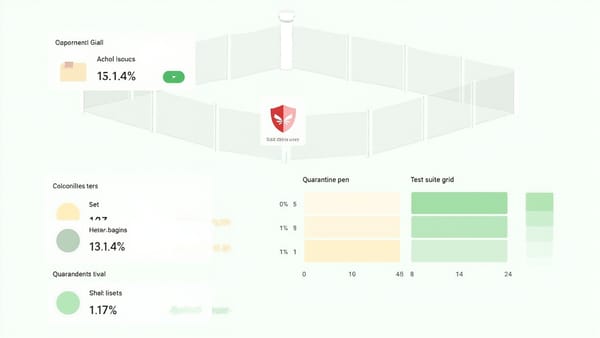
When a flaky test blocks your CI pipeline, you have three bad options: delete it (lose the coverage), skip it (test.skip, forget it forever), or fix it immediately (takes time you don't have). The quarantine pattern is the fourth option: isolate it, run it separately, and track

Test Reliability
A flaky test is a test that passes sometimes and fails sometimes without any change to the code. It fails in CI, you re-run it, it passes. You ship.