
Test Automation
Mutation Testing: Are Your Tests Actually Testing Anything?
You have 90% code coverage. Every line of critical code runs during your tests. But do your tests actually verify that the code is correct?

Testing strategy guides — how to plan, prioritize, and structure QA for your team or product.
Test Automation
You have 90% code coverage. Every line of critical code runs during your tests. But do your tests actually verify that the code is correct?

Test Automation
A bug caught at commit time takes 10 minutes to fix. The same bug caught in production takes 10 hours. CI/CD testing is the practice of moving that discovery window as early as possible — so every change is verified before anyone else has to deal with it. Key Takeaways

Testing Strategy
The average cost of a data breach is $4.88 million. The average cost of catching a security vulnerability during development is a one-hour code review. Security testing is not a separate phase you add at the end — it's the practice of making the expensive option disappear.

Testing Strategy
Test doubles are objects that stand in for real dependencies during testing.

Testing Strategy
Your QA team passed every test. Your users still found a broken checkout. Acceptance testing is the last gate between your code and your customers — it answers the only question that actually matters: does this software do what the business needs it to do? Key Takeaways Acceptance testing validates business

Testing Strategy
Code coverage (or test coverage) measures what percentage of your production code is executed when your test suite runs.

Testing Strategy
Smoke testing is a preliminary testing technique that verifies the basic, critical functionality of a software build before deeper testing begins.

Testing Strategy
Performance testing verifies that a system meets response time, throughput, and reliability requirements under expected and extreme load conditions.
Testing Strategy
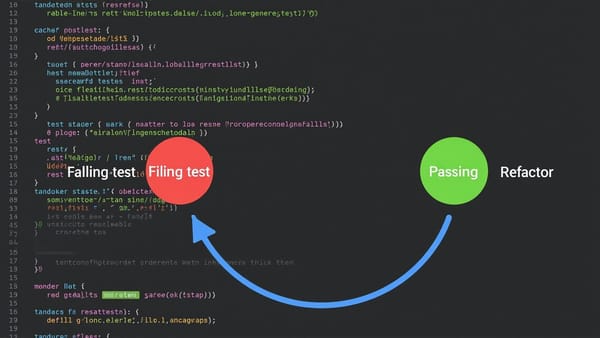
TDD has one real tradeoff: you pay upfront in speed to avoid paying later in debugging and fear of refactoring.

Testing Strategy
Your developers say the feature is done. Your product manager says it's wrong. The spec was clear — they just interpreted it differently. BDD exists to eliminate that conversation by forcing everyone to agree on what "done" means before a line of code is written. Key Takeaways

Testing Strategy
Unit tests said everything worked. Integration tests agreed. Then your payment flow broke in production because the date picker component and the checkout API had a timing issue that only manifested in a real browser. E2E tests are the only tests that can catch what no other test can. Key
Testing Strategy
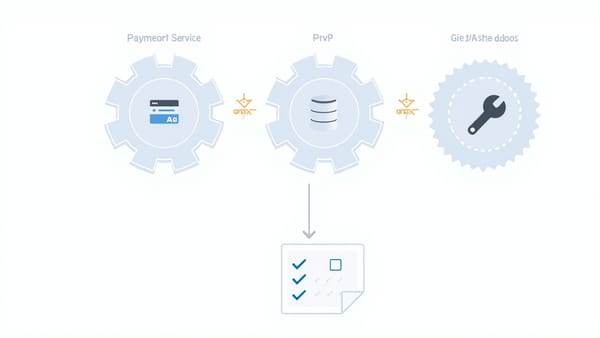
Your unit tests all pass. Every function works in isolation. Then you deploy and discover that your user service returns IDs as strings, but your order service expects integers. Integration testing is the only layer that catches what happens when your units meet reality. Key Takeaways Integration tests validate interactions