Testing Strategy
Functional Testing: Complete Guide for 2026
Functional testing is a type of software testing that validates whether an application behaves according to its functional requirements and specifications.

Testing strategy guides — how to plan, prioritize, and structure QA for your team or product.
Testing Strategy
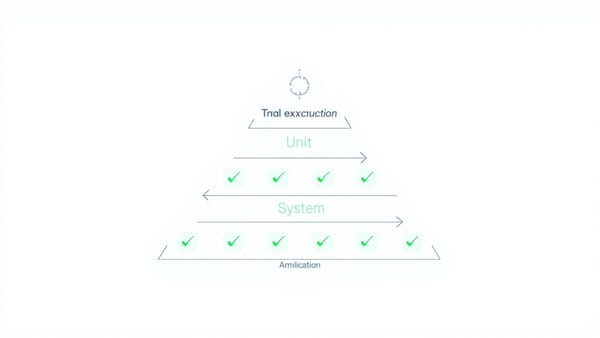
Functional testing is a type of software testing that validates whether an application behaves according to its functional requirements and specifications.

Test Automation
Manual testing doesn't scale. Every time you push code, someone has to click through the app to make sure nothing broke. Automated testing replaces that clicking with scripts that run in seconds. This guide covers what automated testing is, what to automate first, the right tools for each

Test Automation
API testing is the process of verifying that application programming interfaces work correctly, securely, and reliably.

Testing Strategy
Exploratory testing is simultaneous learning, test design, and test execution.

Test Automation
You have 90% code coverage. Every line of critical code runs during your tests. But do your tests actually verify that the code is correct?

Test Automation
A bug caught at commit time takes 10 minutes to fix. The same bug caught in production takes 10 hours. CI/CD testing is the practice of moving that discovery window as early as possible — so every change is verified before anyone else has to deal with it. Key Takeaways
Testing Strategy
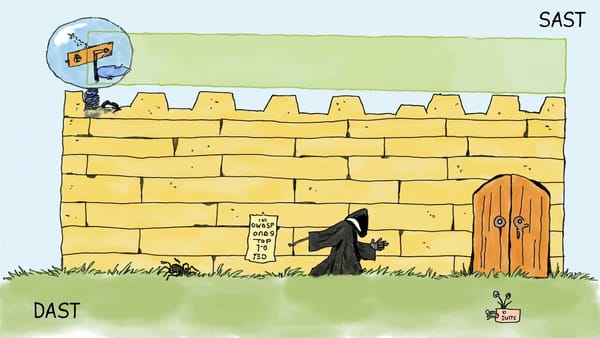
The average cost of a data breach is $4.88 million. The average cost of catching a security vulnerability during development is a one-hour code review. Security testing is not a separate phase you add at the end — it's the practice of making the expensive option disappear.

Testing Strategy
Test doubles are objects that stand in for real dependencies during testing.

Testing Strategy
Your QA team passed every test. Your users still found a broken checkout. Acceptance testing is the last gate between your code and your customers — it answers the only question that actually matters: does this software do what the business needs it to do? Key Takeaways Acceptance testing validates business

Testing Strategy
Code coverage (or test coverage) measures what percentage of your production code is executed when your test suite runs.
Testing Strategy
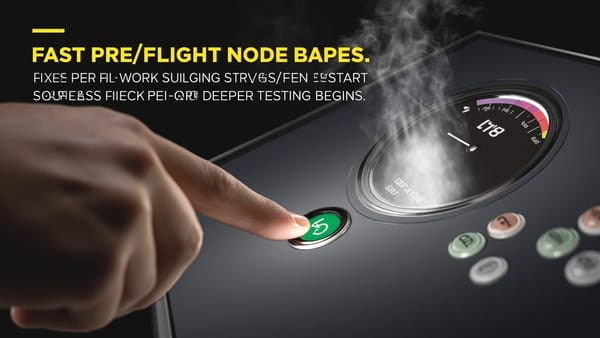
Smoke testing is a preliminary testing technique that verifies the basic, critical functionality of a software build before deeper testing begins.

Testing Strategy
Performance testing verifies that a system meets response time, throughput, and reliability requirements under expected and extreme load conditions.