
Fuzz Testing
Property-Based and Fuzz Testing in Python with Hypothesis
Hypothesis is the most accessible entry point to property-based and fuzz testing for Python developers.

Fuzz Testing
Hypothesis is the most accessible entry point to property-based and fuzz testing for Python developers.

Testing
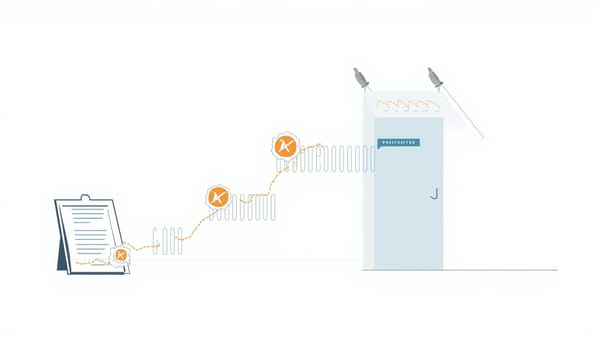
Testing pandas code requires different patterns than testing application code. DataFrames are complex objects—you rarely want to assert on the entire DataFrame at once. Instead, assert on specific columns, row counts, data types, and statistical properties. Use pytest fixtures for reusable test data, pandas.testing for DataFrame comparisons, and
Testing
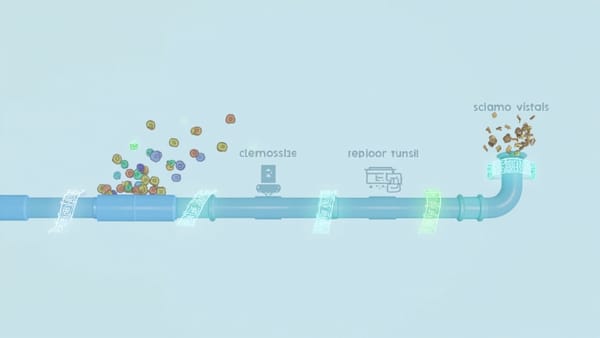
Great Expectations (GX) is a Python library for defining and running data quality assertions against DataFrames, files, and databases. You define Expectations (e.g., "this column should be non-null"), group them into Expectation Suites, and run them via Checkpoints. Failed Expectations produce HTML Data Docs reports showing
Machine Learning
scikit-learn pipelines combine preprocessing steps and models into a single object.

Embedded Systems
Embedded systems testing has a reputation for being painful — manual probe sessions, proprietary test frameworks, and tests that only run on physical hardware. Python and pytest change the equation. You can write expressive, maintainable tests that run against real hardware or simulators, integrate with CI, and give embedded teams the
Testing
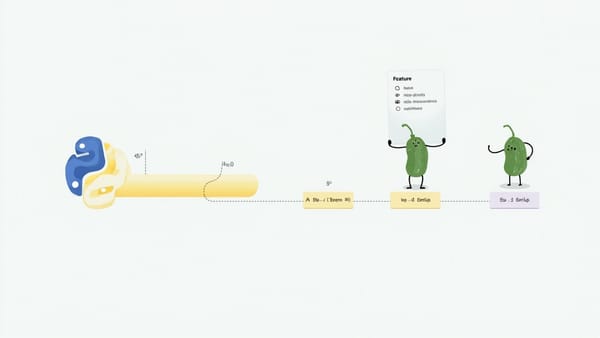
Hardcoded test data is one of the most persistent sources of flaky tests and maintenance burden in software projects.
Testing
Behave is Python's most established BDD framework. It reads Gherkin .feature files, maps each step to a Python function, and executes them against your application. If you work in Python and want to practise behaviour-driven development, Behave is the natural starting point. This tutorial takes you from
Integration Testing
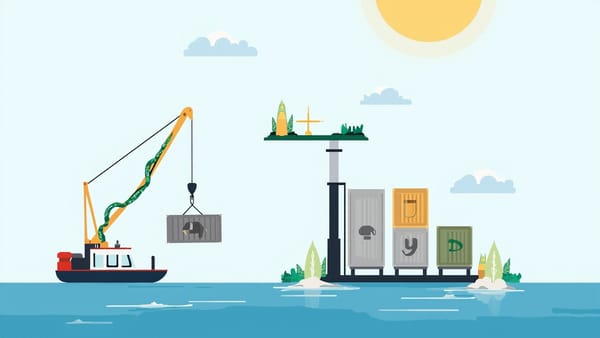
Mocking database calls in Python tests creates a false sense of security. testcontainers-python spins up real PostgreSQL, Redis, and MongoDB containers via Docker during your pytest run, giving you genuine integration coverage without managing external services. Key Takeaways testcontainers-python integrates with pytest through fixtures. Define containers in conftest.

Testing
Unit testing is the practice of verifying that individual functions and classes behave correctly in isolation.

Testing
pytest is the most widely used testing framework in the Python ecosystem.

Testing
Unit tests should be fast, repeatable, and independent. The moment your test reaches out to a database, a third-party API, or the filesystem, those properties are at risk. Mocking solves this by replacing real dependencies with controlled stand-ins that behave exactly as your test needs them to. pytest-

Testing
Python has two dominant options for unit testing: pytest and unittest. One ships with the standard library and has been around since Python 2.