
Scala
Akka Actor Testing: TestKit, TestProbe, and akka-testkit Patterns
Akka actors are concurrent by nature — they communicate asynchronously through message passing, which makes traditional unit testing approaches fail.

AI-powered testing platform. Write tests in plain English, run them everywhere.

Scala
Akka actors are concurrent by nature — they communicate asynchronously through message passing, which makes traditional unit testing approaches fail.
iOS
Apple's swift-testing framework (available in Xcode 16, Swift 6) replaces XCTest's 20-year-old Objective-C heritage with a modern, macro-based API. Instead of XCTAssertEqual, you write #expect(a == b). Instead of func testSomething(), you write @Test func something(). Parameterized tests, parallel execution, and

iOS
Running xcodebuild test directly gives you raw XML logs, cryptic failures, and no easy way to integrate results into your CI pipeline. Fastlane's scan action wraps xcodebuild with sensible defaults, human-readable output, JUnit XML for CI consumption, HTML reports, and built-in Slack notifications. This guide covers
iOS
Realm's object graph persistence is tightly coupled to its runtime — you can't just pass in a mock dictionary. Testing Realm-backed iOS code requires either an in-memory Realm configuration (fast, isolated, no file cleanup) or a purpose-built mock layer. This guide covers both approaches,

iOS
Combine's asynchronous, declarative model makes testing tricky — pipelines emit values over time, operators transform them, and errors can cancel the stream. This guide covers two approaches: the built-in XCTestExpectation pattern for simple cases, and the CombineExpectations library for ergonomic, readable publisher assertions. You'll write tests

iOS
XCUITest runs your app in a simulator — it's slow, flaky, and gives no introspection into SwiftUI internals. ViewInspector lets you unit test SwiftUI views directly: inspect the view hierarchy, find subviews by type, trigger bindings, simulate button taps, and assert on text values — all without launching a simulator.

Testing
Every application has a performance profile that only shows up under load.

Testing
When a test fails at 2 AM and your CI log says Expected: 42 — Actual: 43, you know something is wrong but not what was wrong or why it mattered.

Testing
Bogus is a .NET fake data generator that creates realistic-looking test data — names, emails, addresses, phone numbers, Lorem Ipsum text — with a fluent API, making it easy to build repeatable, locale-aware test fixtures. Key Takeaways * Faker with RuleFor() creates a typed data factory that generates consistent, realistic objects

Testing
Mocking in .NET has historically meant Moq. It works, but the API produces verbose setup code: mockRepo.Setup(r => r.GetById(It.IsAny ())).Returns(user).
Testing
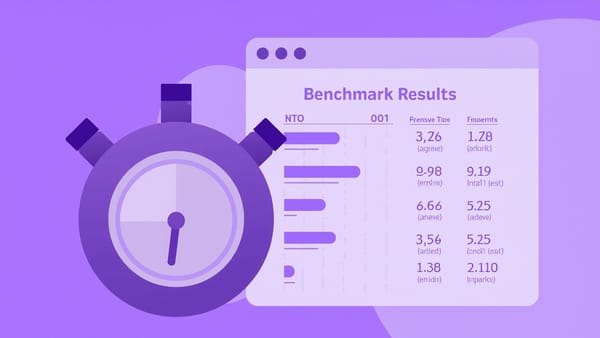
BenchmarkDotNet is the standard .NET library for micro-benchmarking — it handles JIT warmup, statistical analysis, and memory allocation measurement automatically, giving you reliable, comparable performance numbers instead of naive Stopwatch timing. Key Takeaways * The [Benchmark] attribute marks methods to measure; BenchmarkRunner.Run() executes the full benchmark suite * [MemoryDiagnoser] adds allocation
Testing
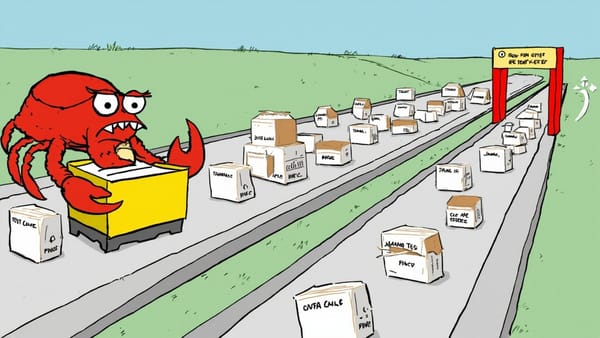
cargo-nextest runs Rust tests faster and with better output than cargo test. Beyond the basics, it has a configuration system that lets you filter which tests run, partition tests across parallel CI jobs, retry flaky tests automatically, and produce JUnit XML for CI dashboards — all without changing test code.